Thermal imaging cameras for night vision and temperature monitoring
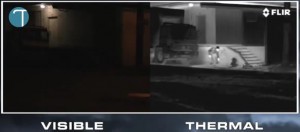
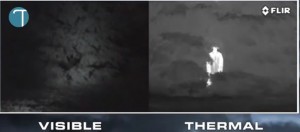
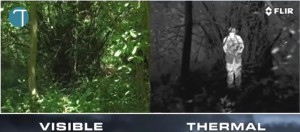
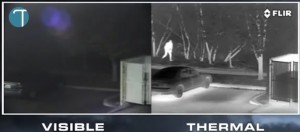
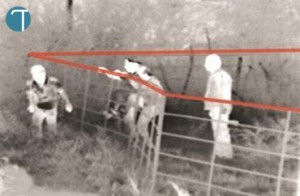
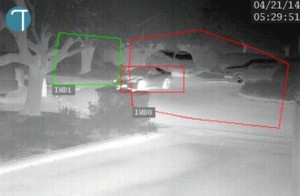
Thermal cameras see heat and form an image based on thermal radiation that is invisible to the naked eye, creating a clear image even in complete darkness. Unlike other video surveillance systems, thermal cameras do not require any light sources to produce a clear and accurate image; they can see through fog and smoke and operate in all kinds of weather conditions. Thermal cameras can be used in all types of security and surveillance applications, primarily those that must ensure detection of potential intruders in total darkness and bad weather.
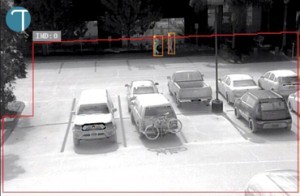
Built-in security and/or temperature video analytics allow targets to be classified by size and distance from the camera, and the integrity of a virtual perimeter or boundary to be monitored, making the thermal camera the best assistant for guarding complex properties. Intrusion detection works automatically in any weather and under any lighting conditions.
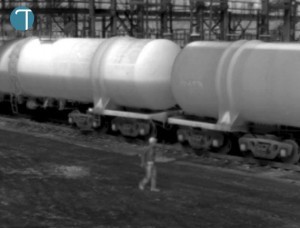
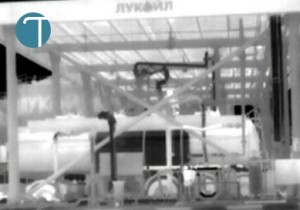
Thermal cameras can be used not only to guard sites alongside video surveillance systems, but also for production quality control and to prevent illegal activity. In oil processing companies, thermal cameras have become a traditional measure in addition to security for checking tanker filling and are the most cost-effective way to identify petroleum product loss during transport (pictured – a half-empty fuel tanker):
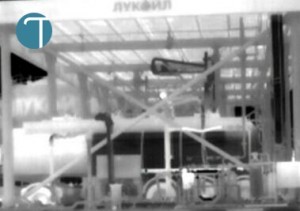
They can also be used to combat theft: fuel may be illegally removed from a tanker that is documented as empty. When filling fuel truck compartments, the camera makes it easy to verify fill level and fuel quantity, helping prevent potential fuel theft (pictured: checking the fill level of a fuel truck tanker—full and empty compartments are clearly distinguishable):
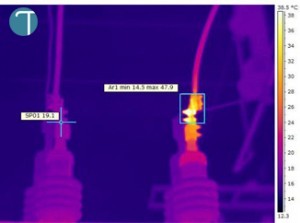
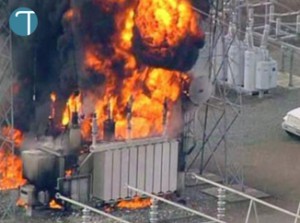
Thanks to temperature measurement capability, FLIR thermal cameras are ideal for fire safety systems—they easily detect hot spots, which are the first sign of a potential fire. Various configuration options are easy for the user to set up. If any of them are triggered, the alarm is activated automatically. Depending on the system application, the rules may differ. The simplest rule is that the alarm triggers if the system records exceeding a set temperature. In other cases, for example at a waste incineration plant, it is possible to set the system to monitor rising temperature until new waste arrives.
Energy sector – what can you do with a thermal camera?
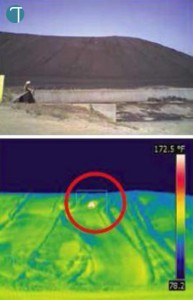
Cameras are capable of detecting a coal auto-oxidation hotspot from a depth of several meters (depending on the type and amount of coal and the temperature of auto-oxidation and air); under normal conditions, the detection depth of such a hotspot is up to 15 meters. Operation is 24/7, and monitoring of the entire deposit layer is performed automatically.